
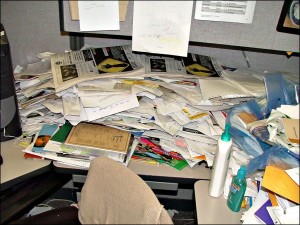
Let’s face it. Attorneys are expensive. One of the most common reason for racking up additional attorney fees - being disorganized. You can save yourself money and make it easier for your bankruptcy attorney by following these simple steps.
What happens after you hire a bankruptcy attorney?
Once you make the decision to file for bankruptcy, the next hurtle is gathering and providing all of your financial documents to the attorney. As a general rule of thumb, everything that has to do with your income, assets and debts must be provided. When you finally hire your attorney, you might think he or she will be able to “make it better” or solve your problem using a magic wand. Nope, your bankruptcy attorney needs your help. A common issue we come across is where clients don’t want to do the legwork gathering all the documents and organizing them in an orderly manner.
Keeping your costs down
In general, attorneys are paid hourly, meaning the more time an attorney has to spend on your case, the more you’ll pay. So, doesn’t it make sense to save your attorney as much time as possible? When you hire a lawyer, you are paying her for her legal expertise, not her document organization skills. I want to spend my time figuring out legal issues, preparing your petition, or answering your questions. Not opening unopened bills or sorting through 500 pages of a disheveled pile of mess.

No easy button
There’s no easy button. Only you have access to your documents. I can’t get your bank statements, tax returns, credit cards statements, collection letters, mortgage statements, or medical bills. You have to provide it to me. The average client will produce somewhere in the neighborhood of 500 pages. Imagine having to go through and review 500 pages of document for not just one client but for multiple clients. That’s a lot of information to sort and digest.
10 tips for getting organized and reducing your attorney fees:
Review. Look over the list of documents and get an understanding of what we need.
- Which documents do you have? What are you missing? Mark those documents you have and highlight those you are missing.
- Gather. Start with the documents you have.
- Open. If you’ve been avoiding opening your mail and have piles of unopened envelopes, open them. (Enlist the help of a friend or family if necessary.)
- Put into chronological order. For each type of document, put in order from most recent to the oldest. For example, if you have three credit cards with Chase, separate out each account and put into order.
- Get the missing documents. Anything you are missing, call the bank, credit card company, CPA, etc. and request it.
If you are providing electronic documents:
- PDF. If you are scanning the documents, make sure it’s in pdf file. Not jpg. Remember to scan the document right side up!
- Chronological Order. Same as paper file. Make sure you scan the file in chronological order.
- Name it properly. It’s not fun trying to figure out what 000123.pdf is. Much easier if it’s called “Chase - Feb 2012.pdf”
- Create and organize it into folders. Dumping 500 files into a single folder makes it difficult for us to locate the file we need. Creating folders for the different file type makes it easier. You don’t need to create 100 folders, but a few categories can go a long way.